 English
 الوكيل الرسمي في مصر
كم مرة يمكن عمل الديرمابلانينج؟ الدليل الكامل حسب نوع البشرة
بعد تجربة الديرمابلانينج والحصول على ملمس أكثر نعومة، قد ترغبين في تكراره بمجرد عودة وبر الوجه أو تغير مظهر المكياج. لكن تكرار استخدام الشفرة بسرعة أكبر لا يعني بالضرورة نتيجة أفضل، وقد يزيد الجفاف أو الحساسية إذا لم تحصل البشرة على وقت كافٍ للهدوء بين الجلسات.
يوضح هذا الدليل الفاصل المناسب بين جلسات الديرمابلانينج، وكيف يختلف حسب نوع البشرة واستجابتها، والعلامات التي تعني أن بشرتك ليست مستعدة لجلسة جديدة.
للتعرف أولًا على الفكرة والفوائد وطريقة إزالة وبر الوجه، اقرئي دليل الديرمابلانينج الكامل في مصر.
الإجابة المختصرة: غالبًا كل 3 إلى 4 أسابيع
بالنسبة لكثير من الأشخاص، يكون تكرار الديرمابلانينج كل 3 إلى 4 أسابيع نقطة بداية مناسبة.
هذه المدة ليست قاعدة ثابتة لجميع أنواع البشرة. قد تحتاج البشرة الجافة أو الحساسة إلى فترة أطول، بينما يجب تأجيل الجلسة مهما مر من الوقت إذا كانت البشرة لا تزال متهيجة أو شديدة الجفاف.
الأهم من الالتزام بعدد محدد من الأيام هو مراقبة استجابة البشرة بعد كل استخدام.
لماذا لا يفضل تكرار الديرمابلانينج أسبوعيًا؟
الديرمابلانينج لا يزيل وبر الوجه فقط، بل يزيل أيضًا بعض التراكمات السطحية. لذلك قد يؤدي تكراره أكثر من حاجة البشرة إلى:
- الجفاف أو الشعور بالشد.
- الاحمرار والتهيج المتكرر.
- زيادة الحساسية تجاه بعض منتجات العناية بالبشرة.
- ظهور لسع عند وضع المرطبات أو واقي الشمس.
- زيادة الاحتكاك بسبب تكرار مرور الشفرة على البشرة.
لا تحتاج معظم البشرة إلى الديرمابلانينج أسبوعيًا. النتيجة الأفضل تأتي من استخدام لطيف وفاصل مناسب، وليس من زيادة عدد الجلسات.
كم مرة يناسب الديرمابلانينج كل نوع بشرة؟
البشرة العادية
يمكن البدء بفاصل يبلغ نحو 3 إلى 4 أسابيع، ثم تعديله حسب سرعة عودة الوبر واستجابة البشرة.
لا تعيدي الجلسة إذا كانت البشرة لا تزال حمراء أو جافة أو أكثر حساسية من المعتاد.
البشرة الدهنية
قد يكون فاصل 3 إلى 4 أسابيع مناسبًا عند عدم وجود حبوب نشطة أو ملتهبة.
البشرة الدهنية ليست بالضرورة أكثر قدرة على تحمل التكرار. تجنبي استخدام الشفرة فوق البثور أو المناطق المصابة بالتهاب، ولا تستخدمي الديرمابلانينج باعتباره علاجًا للدهون أو حب الشباب.
البشرة الجافة
قد تحتاج البشرة الجافة إلى فاصل أطول، مثل 4 إلى 6 أسابيع، مع الاهتمام بالترطيب ومراقبة أي تقشر أو شعور بالشد.
إذا كانت البشرة جافة بصورة واضحة قبل موعد الجلسة، فالأفضل تأجيل الاستخدام حتى تستعيد راحتها.
البشرة الحساسة
يمكن البدء بفاصل 4 إلى 6 أسابيع عند ملاءمة الديرمابلانينج للبشرة، مع استخدام ضغط خفيف وعدد محدود من التمريرات.
إذا استمر الاحمرار أو الشعور بالحرارة أو اللسع، فلا تكرري الاستخدام قبل عودة البشرة إلى حالتها الطبيعية.
البشرة التي تعاني من إكزيما نشطة أو روزاسيا ملتهبة أو تهيج مستمر تحتاج إلى تقييم من طبيب الجلدية أو المختص المعالج قبل استخدام الشفرة.
إذا كنت جديدة على الديرمابلانينج
ابدئي بفاصل يبلغ نحو 4 أسابيع بين أول جلستين، واستخدمي حركات قصيرة وضغطًا خفيفًا على بشرة نظيفة وجافة.
راقبي خلال الأيام التالية:
- مدة الاحمرار إن ظهر.
- وجود جفاف أو تقشر.
- الشعور باللسع عند وضع المنتجات المعتادة.
- ظهور حبوب أو تهيج في المناطق التي استخدمت عليها الشفرة.
لا تقللي الفاصل إلى 3 أسابيع إلا إذا عادت البشرة بالكامل إلى حالتها الطبيعية ولم يظهر تهيج بعد الجلسات السابقة.
يمكنك مراجعة طريقة عمل الديرمابلانينج في المنزل خطوة بخطوة قبل أول استخدام.
علامات قد تدل على أن الوقت مناسب لجلسة جديدة
يمكن التفكير في جلسة جديدة عندما:
- يعود وبر الوجه بصورة ملحوظة.
- يمر ما لا يقل عن عدة أسابيع منذ الجلسة السابقة.
- تكون البشرة خالية من الاحمرار والتهيج والتقشر.
- لا توجد حبوب ملتهبة أو جروح في المنطقة.
- تكون البشرة قد استعادت مستوى الترطيب والراحة المعتاد.
عودة الوبر وحدها لا تعني أن البشرة مستعدة. يجب أن تكون حالة الجلد نفسه مناسبة قبل إعادة استخدام الشفرة.
علامات تعني أن عليك تأجيل الديرمابلانينج
أجّلي الجلسة إذا لاحظت أيًا مما يلي:
- احمرار مستمر من الجلسة السابقة.
- تقشر أو جفاف شديد.
- لسع عند وضع المرطب أو واقي الشمس.
- حبوب نشطة أو ملتهبة.
- جروح أو خدوش أو حروق شمس.
- تهيج بعد استخدام مقشرات أو ريتينويد.
- تعافي غير مكتمل بعد تقشير كيميائي أو ليزر أو إجراء احترافي آخر.
لا تحاولي تعويض الجلسة المؤجلة بالضغط الأقوى أو بتكرار المرور على المنطقة عندما تعودين للاستخدام.
هل تكرار الديرمابلانينج يجعل الشعر ينمو أسرع أو أكثر كثافة؟
لا. تكرار إزالة الوبر بالشفرة لا يغير بصيلة الشعر ولا يزيد عدد الشعيرات أو سرعة نموها.
تقص الشفرة الشعرة عند سطح البشرة فقط. وقد يبدو طرف الشعرة أكثر وضوحًا عند بداية النمو لأنه أصبح مستقيمًا بعد القص، لكن ذلك لا يعني أن طبيعة الشعر قد تغيرت.
يمكنك قراءة شرح أكثر تفصيلًا في دليل الديرمابلانينج وإزالة وبر الوجه.
حدة الشفرة عامل مهم بين الجلسات
حتى مع اختيار الفاصل المناسب، قد تسبب الشفرة غير الحادة احتكاكًا وتهيجًا لأنها تحتاج إلى ضغط أكبر أو تمريرات متكررة.
استبدلي شفرة الوجه عندما:
- تشعرين بشد أو مقاومة أثناء التمرير.
- تحتاجين إلى الضغط للحصول على النتيجة نفسها.
- يظهر صدأ أو اعوجاج أو تلف.
- لا يمكن تنظيفها أو تجفيفها بصورة سليمة.
- تلاحظين تهيجًا أكبر من الاستخدامات السابقة.
لا تشاركي الشفرة مع شخص آخر، واحفظيها جافة ومحمية بعد الاستخدام.
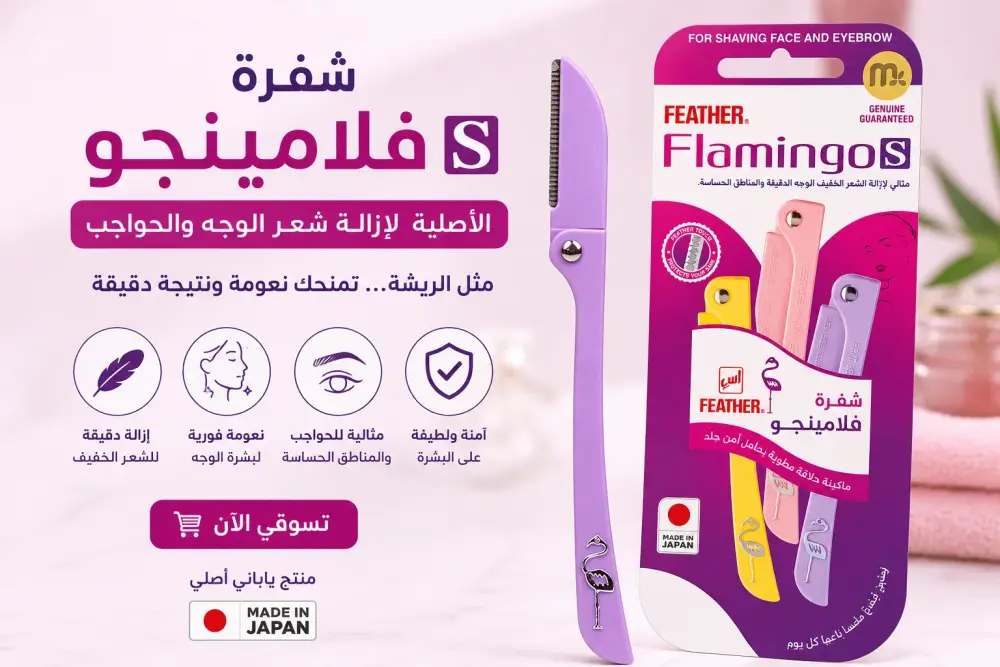
تساعد شفرة Feather Flamingo S الأصلية لإزالة وبر الوجه والديرمابلانينج على الاستخدام المتحكم فيه بفضل تصميمها المخصص للوجه وحاجزها الدقيق.
هل يمكن عمل الديرمابلانينج قبل مناسبة؟
لا تجربي الديرمابلانينج للمرة الأولى قبل مناسبة مهمة مباشرة، لأن استجابة البشرة تختلف من شخص لآخر.
إذا سبق أن استخدمت الشفرة من دون تهيج، اختاري توقيتًا يترك لبشرتك فرصة كافية للهدوء قبل المناسبة. لا تعيدي الجلسة فقط لأن هناك مناسبة قريبة إذا لم يمر وقت كافٍ أو كانت البشرة لا تزال حساسة.
هل يختلف الفاصل بين الصيف والشتاء؟
لا توجد مدة موحدة تختلف تلقائيًا حسب الفصل، لكن حالة البشرة قد تتغير:
- في الطقس الحار قد يزداد التعرض للشمس أو العرق والاحتكاك.
- في الطقس البارد قد يزداد الجفاف والشعور بالشد.
عدلي الفاصل وفق حالة البشرة، واستخدمي واقي شمس واسع الطيف خلال النهار طوال العام، وليس بعد الديرمابلانينج فقط.
هل يمكن الجمع بين الديرمابلانينج والمقشرات؟
تجنبي استخدام الأحماض القوية أو السكرب أو الريتينويد مباشرة قبل الديرمابلانينج أو بعده إذا كانت تسبب حساسية لبشرتك.
لا توجد مدة واحدة مناسبة للجميع، لأن ذلك يعتمد على نوع المنتج وتركيزه وحالة البشرة. عند استخدام علاج بوصفة طبية أو إجراء احترافي، اتبعي تعليمات الطبيب أو المختص الذي يشرف على العلاج.
الأسئلة الشائعة
هل يمكن عمل الديرمابلانينج كل أسبوعين؟
قد يكون أسبوعان فاصلًا قصيرًا بالنسبة لكثير من أنواع البشرة، خاصة عند وجود جفاف أو حساسية. نقطة البداية الأكثر تحفظًا هي نحو 3 إلى 4 أسابيع، مع إطالة الفترة عند الحاجة.
هل يجب انتظار عودة الشعر بالكامل؟
لا يلزم انتظار طول معين، لكن عودة الوبر وحدها ليست العامل الوحيد. يجب أن تكون البشرة هادئة وخالية من التهيج قبل تكرار الاستخدام.
ماذا أفعل إذا توقفت عدة أشهر؟
لا تحتاجين إلى تعويض الجلسات التي فاتت. عودي باستخدام لطيف كما لو كانت جلسة جديدة، وراقبي استجابة البشرة قبل تحديد الفاصل التالي.
هل يمكن استخدام الديرمابلانينج مع حب الشباب؟
لا تستخدمي الشفرة فوق الحبوب النشطة أو الملتهبة، لأن مرور النصل عليها قد يزيد التهيج أو يسبب جرحًا. اسألي طبيب الجلدية إذا كان حب الشباب واسع الانتشار أو مستمرًا.
هل أكرر الجلسة عندما يصبح المكياج أقل نعومة؟
تغير مظهر المكياج قد يكون مرتبطًا بعودة الوبر، لكنه قد ينتج أيضًا عن الجفاف أو تغير روتين العناية. تأكدي أولًا من أن البشرة غير متهيجة وأن الفاصل المناسب قد مر.
الخلاصة
- الفاصل المناسب لكثير من أنواع البشرة هو نحو 3 إلى 4 أسابيع.
- قد تحتاج البشرة الجافة أو الحساسة إلى 4 إلى 6 أسابيع أو أكثر.
- لا تكرري الديرمابلانينج إذا كانت البشرة حمراء أو جافة أو متهيجة.
- عودة الوبر ليست وحدها دليلًا على استعداد البشرة.
- استخدمي شفرة نظيفة وحادة وضغطًا خفيفًا في كل جلسة.
للتعرف على خطوات الاستخدام الصحيحة، اقرئي دليل الديرمابلانينج المنزلي الآمن.
تتوفر شفرة Feather Flamingo S الأصلية للديرمابلانينج من خلال موزون مصر، الوكيل والموزع الرسمي لمنتجات Feather Japan في مصر وشمال أفريقيا منذ عام 2020.